
Urban Greenery
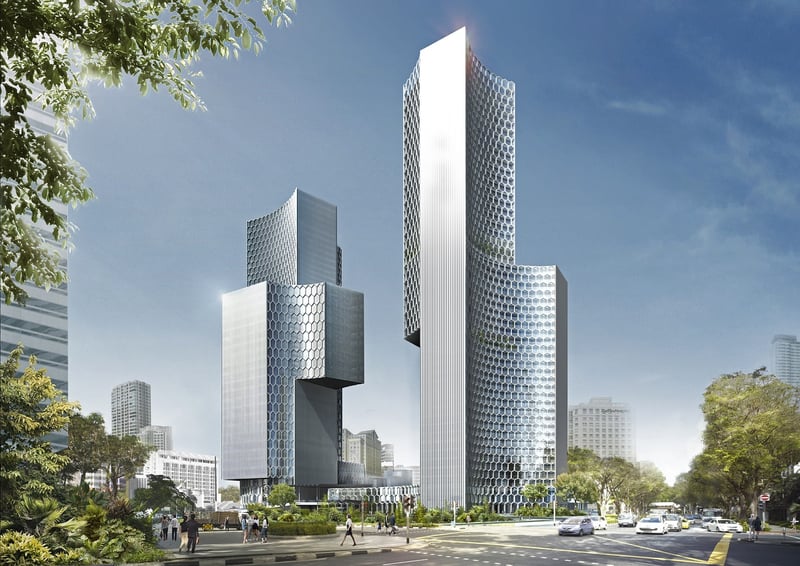
Urban Greenery
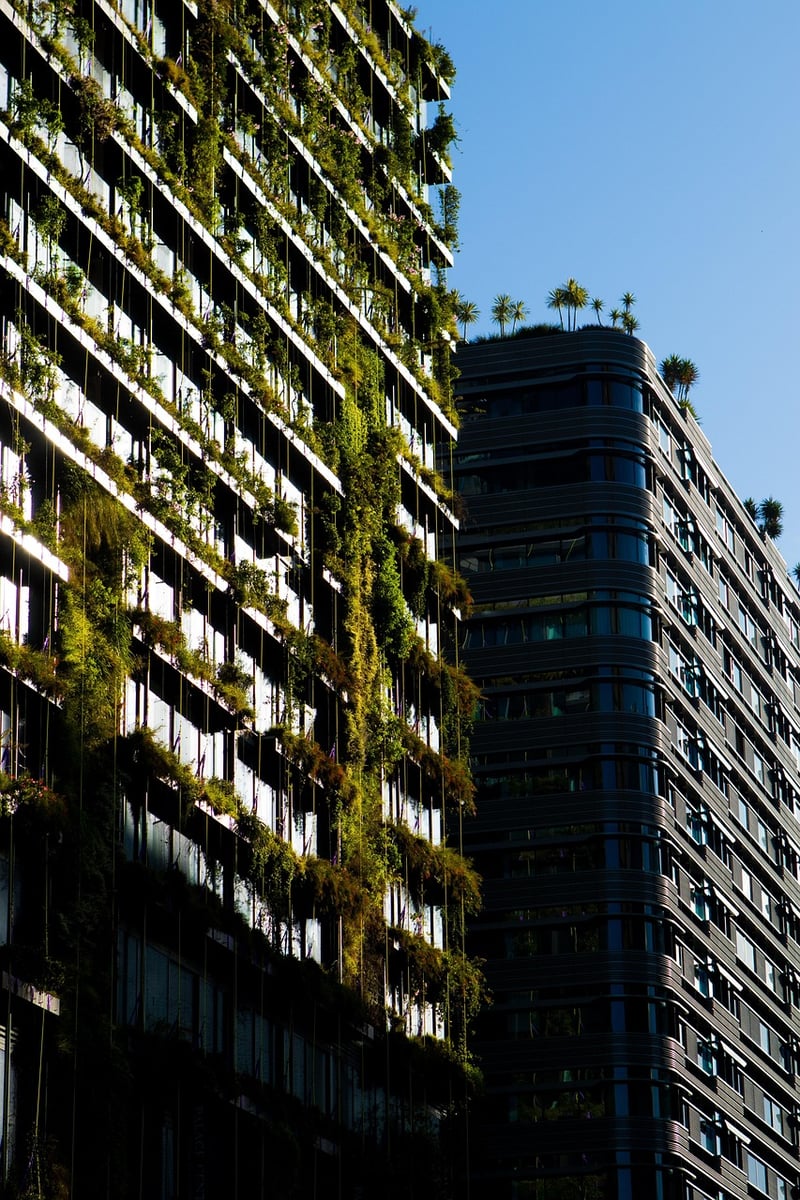

The Benefits of Vertical Gardening and Urban Greenery
Introduction
In today's urban landscapes, space is a luxury. However, incorporating vertical gardening and urban greenery can offer a multitude of advantages, from environmental benefits to aesthetic appeal. Let's explore why vertical gardening and urban greenery are becoming increasingly popular.
Advantages of Vertical Gardening
Vertical gardening involves growing plants upwards rather than outwards. This innovative approach brings several benefits:
1. Maximizing Space Efficiency
Vertical gardens make the most of limited space, allowing you to grow a variety of plants even in small urban settings.
2. Improved Air Quality
Plants naturally purify the air by absorbing carbon dioxide and releasing oxygen. Vertical gardens can significantly enhance air quality in urban areas.
3. Aesthetic Appeal
Vertical gardens create stunning visual displays, adding a touch of greenery to otherwise plain walls and structures.
Benefits of Urban Greenery
Urban greenery refers to the presence of vegetation in city environments, which offers numerous advantages:
1. Cooling Effect
Trees and plants provide shade and reduce the urban heat island effect, helping to lower temperatures in cities.
2. Biodiversity Support
Green spaces in urban areas support biodiversity by providing habitats for birds, insects, and other wildlife.
3. Mental Health Benefits
Access to green spaces has been linked to reduced stress, improved mood, and overall well-being, making urban areas more livable.
Conclusion
Vertical gardening and urban greenery offer a host of benefits that are essential for creating sustainable and vibrant cities. By incorporating these green elements into urban design, we can enhance the quality of life for city residents while contributing to a healthier environment.